

🦶 Hiking Foot Care Tips: Your Feet Will Make or Break Your Trek – Here's How to Look After Them
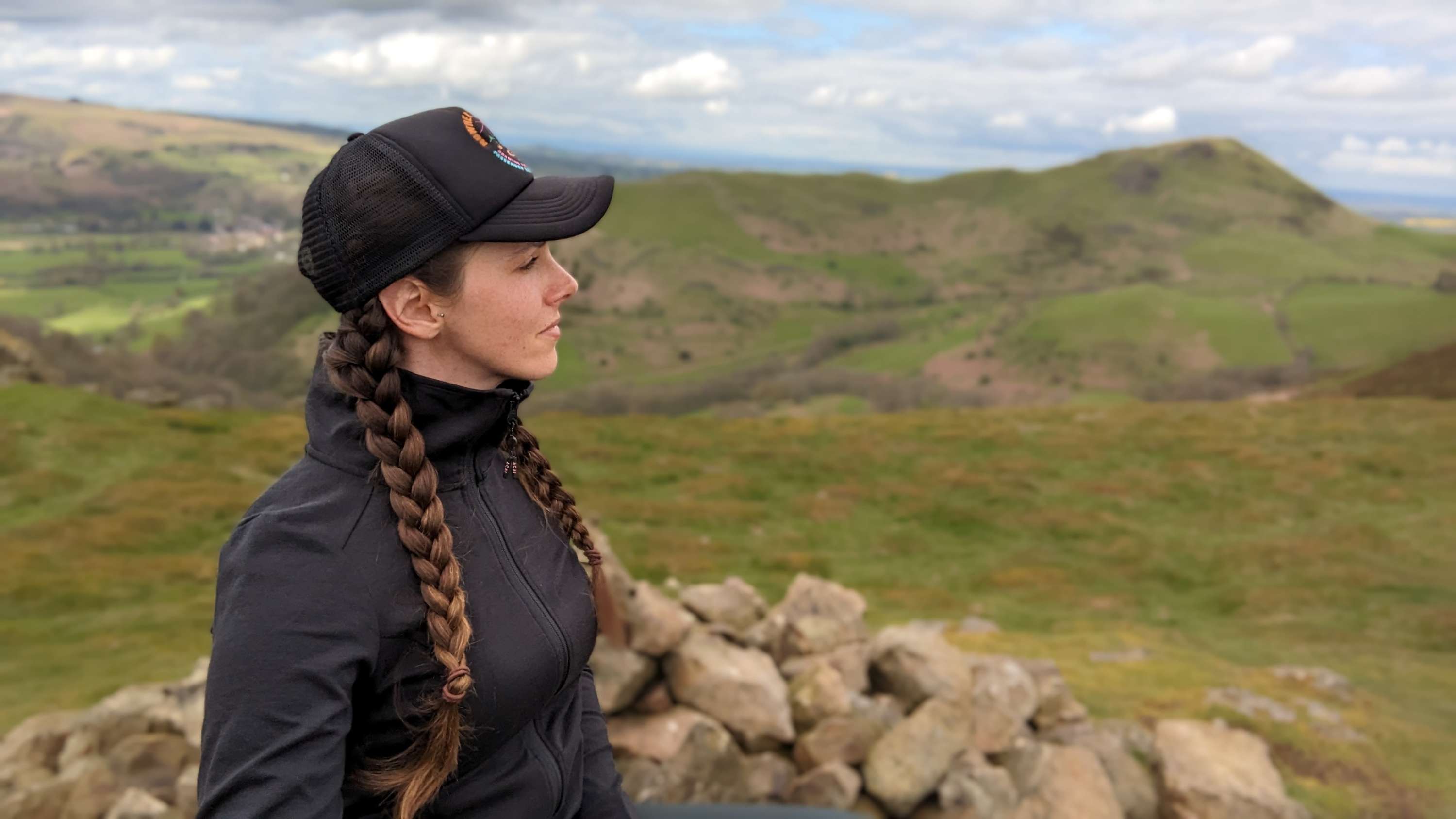
After spending a week walking the West Highland Way, one thing became crystal clear: when you're carrying a pack and walking mile after mile, day after day, your feet become the most important piece of equipment you own. 😅
Most people preparing for their first trek worry about fitness, steep climbs, or the weather.
In reality, many long-distance adventures are made miserable by something far less dramatic...
Blisters, hotspots, sore feet, and poorly fitting footwear.
The good news? Most foot problems are preventable if you catch them early. These simple hiking foot care tips can help you avoid common problems and enjoy your trek far more.
If you're thinking about taking on your first trekking adventure, there's one important thing to understand:
👉 A day hike and a multi-day trek place very different demands on your feet.
On a day hike, you might walk for a few hours before heading home for a hot shower, comfy slippers, and a good night's sleep.
On a trek, your feet have to get up and do it all again tomorrow... and the next day... and the day after that.
Small niggles that seem insignificant on Day 1 can become major problems by Day 3.
That's why looking after your feet isn't optional on a trek—it's essential.

Hiking Foot Care Tips for Long Hikes and Multi-Day Treks
Whether you're planning your first long-distance walk or preparing for a challenging trekking adventure, these hiking foot care tips will help keep your feet comfortable, healthy, and trail-ready.
🎒 Keep Your Pack as Light as Possible
One of the biggest differences between a day hike and a multi-day trek is the weight you're carrying.
Every extra kilogram puts more pressure on your feet, ankles, knees, and hips. The heavier your pack, the harder your feet have to work.
A commonly recommended guideline is to keep your pack weight below 20% of your body weight, with many experienced trekkers aiming for closer to 10–15% where possible.
As a general rule, I try to keep my pack below 15kg whenever possible. Trust me, your feet will notice the difference after several days on the trail.
Remember, your feet aren't just carrying you to the summit—they're carrying everything you've decided was "absolutely essential" the night before. 😆
🩹 Prevent Problems Before They Start
If you know certain areas of your feet are prone to rubbing, tape them before you start walking.
A little preventative taping can save a lot of discomfort later.
Prevention is always easier than treatment.
🔥 Never Ignore a Hotspot
A hotspot is your foot's way of waving a giant red warning flag.
The moment you feel rubbing, burning, or discomfort:
✔ Stop walking
✔ Take your boot off
✔ Deal with it immediately
Don't try to "walk it off."
Future You will not thank Present You.
Five minutes spent sorting a hotspot can save days of blister misery.
💛 Carry Compeed Blister Plasters
Compeed blister plasters have earned a permanent place in my pack.
Apply them as soon as a hotspot develops and before a blister fully forms whenever possible.
They're lightweight, easy to carry, and worth their weight in gold on longer walks.
🦶 Protect Your Toes During the Hike — Recover Them Afterwards
Long-distance walking can put a surprising amount of pressure on your toes.
During the hike, toe protectors and toe foam can help reduce friction and protect areas that are prone to rubbing, especially if you're dealing with hotspots or pressure points.
Once the walking is done, toe spreaders can be brilliant for recovery. I often use them after a long day on the trail to help stretch out my feet and give my toes a bit of breathing space after spending hours inside hiking boots.
Think of toe protectors as your trail defence and toe spreaders as your recovery tool.
👣 Toughen Your Feet Before a Trek
One mistake many first-time trekkers make is waiting until the big adventure to test their feet.
Build up gradually with shorter walks and day hikes beforehand.
Your feet, muscles, and skin all adapt over time.
Training walks aren't just about fitness—they're also about preparing your feet for the demands of a multi-day trek.
👣 Don't Fear Callouses
This might surprise some people, but a healthy level of callous build-up is actually your friend.
Callouses are your body's natural protection against friction and pressure. They help toughen the skin in areas that take the most abuse on the trail.
That doesn't mean you want thick, cracked callouses, but constantly trying to achieve perfectly soft, baby-smooth feet isn't ideal for hikers either.
A little trail-hardened skin can provide valuable protection when you're covering long distances day after day.
Your feet don't need to look like they've just stepped out of a beauty salon.
They need to be ready for adventure.
🧦 Choose Your Socks Wisely
Good socks can make a huge difference.
Merino wool hiking socks are excellent for:
✔ Managing moisture
✔ Regulating temperature
✔ Reducing friction
Personally, I'm a big fan of Bridgedale and Darn Tough socks—they're usually what you'll find me wearing on the trail.
Cotton socks, however, tend to trap moisture and increase the risk of blisters.
👢 Make Sure Your Boots Fit Properly
A surprising number of foot problems start with poor boot fit.
Your heel should feel secure without lifting.
Your toes should have room to wiggle.
Most importantly, your toes shouldn't be hitting the front of the boot when walking downhill.
And please...
Don't break in brand-new boots on a multi-day trek. 😬
✂️ Keep Your Toenails Trimmed
Not glamorous.
Very important.
Long toenails can cause pressure, bruising, discomfort, and sometimes even lead to losing a toenail on longer treks.
Trim them before your adventure and save yourself the pain later.
💦 Keep Your Feet Dry
Moisture increases friction.
Friction creates blisters.
It's simple trail maths.
If you're on a long day or multi-day trek, changing into a fresh pair of socks can feel like absolute luxury.
Your feet will thank you.
⏸️ Let Your Feet Breathe
Whenever conditions allow, take your boots off during breaks.
Let your feet air out for a few minutes.
Reducing moisture and heat build-up helps keep your skin healthier and more resilient.
🦶 Stretch and Recover
One of the most overlooked hiking foot care tips is that recovery matters just as much as prevention. Your feet work incredibly hard on a trek, so don't forget about recovery.
After a long day on the trail, spend a few minutes stretching your feet, moving your toes, and using toe spreaders if they work for you.
Giving your feet some attention at the end of the day can help reduce stiffness and leave them feeling fresher for tomorrow's miles.
🎒 Pack a Simple Footcare Kit
Mine usually contains:
🩹 Compeed blister plasters
🎗 Zinc oxide tape
🦶 Toe protectors and toe foam
🧼 Antiseptic wipes
✂️ Small scissors
🧦 Spare socks
It's a tiny kit that can solve some very big problems.
🙋 Tell Your Walk Leader Early
If you're on a guided walk or trekking holiday, tell your walk leader as soon as something doesn't feel right.
We'd much rather help you manage a small issue than wait until you're hobbling along in agony.
Trust me—we've seen it all before!
😴 Recovery Matters Too
Foot care doesn't stop when the walking ends.
At the end of each day:
✔ Dry your feet thoroughly
✔ Check for hotspots
✔ Treat any problem areas
✔ Stretch your feet and toes
✔ Put on clean socks
✔ Get plenty of rest
Giving your feet time to recover between walking days can make a huge difference on multi-day adventures.
🏔️ The Biggest Lesson?
Your feet are carrying you to every summit, every viewpoint, every unforgettable moment, and every well-earned slice of cake at the end of the day.
Follow these hiking foot care tips, look after your feet, and they'll look after you.
Because mountains are meant to be memorable...
Your blisters don't have to be. 💛🥾
🥾 Ready to Put These Hiking Foot Care Tips into Practice?
The best way to learn is on the trail. Whether you're preparing for your first long-distance walk or dreaming of a multi-day trekking adventure, we're here to help you every step of the way.
Take a look at our upcoming guided walks and trekking adventures and start planning your next journey today! 💛

Starting the West Highland Way 
Views 
Loch Tullach 
Swimming in Loch Lomond 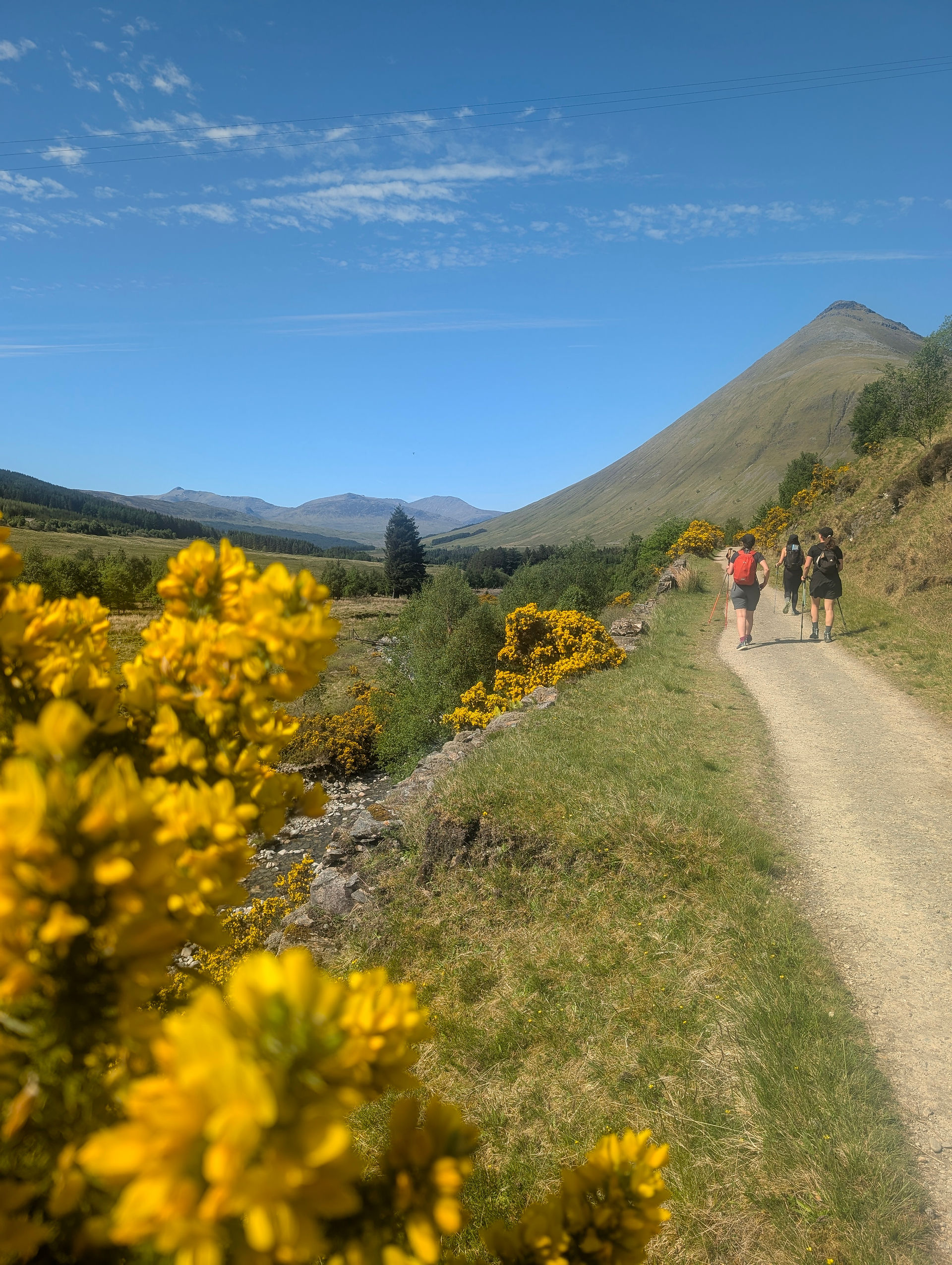
Gorse 
Rannoch Moor 
Glencoe 
Dealing with blisters 
Happy campers


Some great advice! I'm heading to Peru on the Inca Trail next year and will be keeping these in mind. Thanks for sharin