

🎗️ Let's Talk About Cancer: What I Learnt Becoming a Cancer Champion
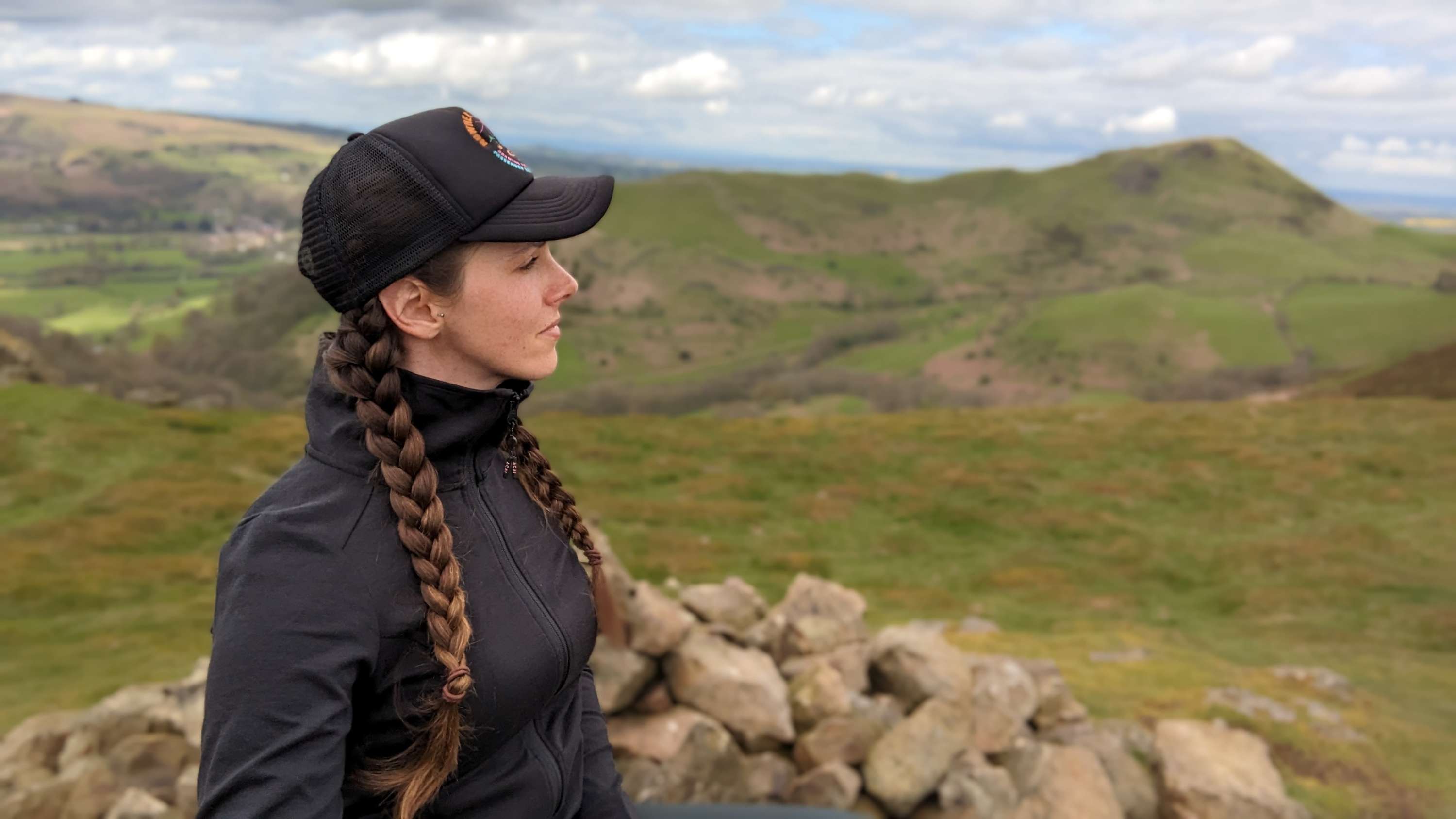
Why early diagnosis, screening, lifestyle choices and everyday conversations could make more of a difference than you realise.
Recently, I completed my Cancer Champion training through Lingen Davies Cancer Support, and I'm incredibly proud to now be part of their Cancer Champions community.
Having previously supported my mum through cancer treatment, raising awareness was already something close to my heart. I wanted to learn more, understand the facts and find ways to use my voice and the Ray of Sun Adventures community to make a positive difference.
Little did I know that just over a week after completing my training, my dad would be diagnosed with terminal, stage 4 cancer. Suddenly, everything I'd learnt felt even more poignant, and my commitment to raising awareness became more personal than ever 💛
What I hadn't fully appreciated before the training was just how powerful an ordinary conversation could potentially be.
We're often uncomfortable discussing cancer. We put off appointments, feel embarrassed talking about certain symptoms, dismiss changes in our bodies or simply assume something could never happen to us.
But talking about cancer shouldn't be taboo. In fact, those conversations could help save lives.
So, I wanted to share some of the most important things I took away from the training.
💛 What Exactly Is a Cancer Champion?
The Cancer Champions initiative, delivered locally through Lingen Davies and its partners, aims to improve cancer awareness, encourage screening uptake, reduce barriers to accessing healthcare and support earlier diagnosis.
Cancer Champions aren't healthcare professionals. We're trained members of the community who help start conversations, share reliable information, challenge misconceptions and point people towards appropriate support.
That might mean chatting to somebody during a walk, discussing screening with a friend, sharing information at work or encouraging someone who has been putting off a GP appointment to finally get something checked.
It's about making cancer awareness part of everyday life.

1. Cancer Is More Common Than We Think
A few statistics from the training really stood out to me:
Around 1 in 2 people in the UK will develop cancer during their lifetime.
There are more than 200 different types of cancer.
Breast, prostate, lung and bowel cancers are among the most common types in the UK.
Although cancer becomes more common with age, younger people can develop it too.
We also learnt about how cancer develops, the role of genetic mutations within cells, and the difference between inherited genetic risks and other contributing factors.
One of the biggest messages was the importance of early diagnosis.
Finding cancer earlier can mean more treatment options and a greater chance of successful treatment.
And that brings me to some of the most important things we can do to reduce our risks and look after our health.
2. 🥦 Lifestyle, Prevention & Known Carcinogens – Some Surprising Lessons!
Another fascinating part of the training was learning more about how our lifestyle and everyday choices can influence our risk of developing certain cancers.
While not all cancers are preventable, there are things we can do to help reduce our risk, including:
Not smoking.
Reducing or avoiding alcohol.
Maintaining a healthy weight.
Staying physically active.
Eating a balanced diet.
Protecting our skin from excessive UV exposure.
Taking up recommended vaccinations, such as the HPV vaccine.
But one thing genuinely shocked me...
HAM. Yes, the humble ham sandwich! 🥪
Did you know that processed meats such as ham, bacon, salami, hot dogs and certain sausages are classified by the World Health Organization's International Agency for Research on Cancer as Group 1 carcinogens – known to cause cancer in humans?
Specifically, regular consumption of processed meat increases the risk of bowel cancer.
Research suggests that eating 50g of processed meat daily is associated with approximately an 18% increase in relative bowel cancer risk.
To be clear, this doesn't mean eating a ham sandwich will give you cancer, or that processed meat is as dangerous as smoking. The classification reflects how strong the evidence is that something can cause cancer, not the size of the risk.
And we're talking specifically about processed meat here, not suggesting that every processed food is a known carcinogen.
Still, it certainly made me reconsider how frequently these foods feature in my everyday diet!
What about alcohol and cigarettes?
Alcohol and tobacco are also established carcinogens.
Alcohol is linked to seven types of cancer, including breast, bowel and liver cancer. Even relatively low levels of consumption can increase cancer risk, while smoking remains one of the biggest preventable causes of cancer.
It's also incredibly important to say that having cancer doesn't mean someone has lived an unhealthy life. Cancer is complex, and nobody deserves blame for their diagnosis.
For me, the message is about awareness, making informed choices and understanding that even small lifestyle changes can help reduce our risk over time.
3. PLEASE Go for Your Screenings!
I genuinely cannot emphasise this enough.
One of the most important things I learnt was the distinction between screening and investigating symptoms.
Screening is designed to identify potential problems in people who DON'T currently have symptoms.
It isn't a substitute for seeing your GP if something feels wrong.
In England, the NHS offers several cancer screening programmes:
Bowel Cancer Screening
People aged 50–74 are offered a free home FIT test every two years.
It involves collecting a tiny sample of poo and posting it back for testing. The test checks for small amounts of blood that may indicate a problem requiring further investigation.
Yes, we're talking about poo. Let's normalise that!
Breast Cancer Screening
Women are routinely invited for mammograms between the ages of 50 and 70, generally every three years. Women over 70 can request screening themselves.
Cervical Screening
Offered to women and people with a cervix aged 25–64, usually every five years under the current programme in England.
It primarily checks for high-risk HPV, which can cause cervical cell changes that may eventually develop into cancer.
Lung Cancer Screening
The NHS is also introducing targeted lung cancer screening for eligible people aged 55–74 with a history of smoking.
You may receive an invitation for a lung health check depending on eligibility and local rollout.
Screening programmes and eligibility can change, so always check the latest NHS guidance.
And remember: screening is a personal choice, but please make that decision from reliable information rather than embarrassment, fear or misinformation.
4. Be as Stubborn as Your Symptoms!
Possibly my favourite takeaway from the entire training.
BE AS STUBBORN AS YOUR SYMPTOMS.
You know your own body.
If something changes, persists, gets worse or simply doesn't feel right, get it checked.
Things worth discussing with your GP can include:
Unexplained weight loss or persistent fatigue.
Unusual lumps or swelling.
Changes in bowel or bladder habits.
Unexplained bleeding.
Persistent pain or discomfort.
Changes to your skin or existing moles.
A cough that doesn't go away.
Any other unexplained change that isn't normal for you.
Most symptoms will NOT be cancer, but that doesn't mean they should be ignored.
We also discussed how to make the most of GP appointments. Some useful tips include keeping a symptom diary, noting when problems began, describing how they affect your daily life and preparing questions beforehand.
If symptoms continue despite reassurance or treatment, make another appointment. Ask what the next steps are, whether further investigations are appropriate, and seek a second opinion if necessary.
You are not wasting anyone's time by advocating for your health.
5. Embarrassment Shouldn't Be a Barrier to Healthcare
Another really interesting part of the training explored why people delay screening or seeking medical advice.
Fear, embarrassment, previous negative experiences, difficulties accessing appointments and cultural attitudes towards cancer can all play a part.
Nobody particularly enjoys talking about their bowel movements, having a cervical screening appointment or discussing an unusual lump.
But healthcare professionals have these conversations every day.
We need to normalise talking about our bodies without shame.
And equally, recognise that not everyone has the same access to healthcare. Language, disability, financial circumstances and other inequalities can make accessing support considerably harder.
Part of being a Cancer Champion is understanding those barriers, listening without judgement and helping people access reliable information and appropriate services.
6. Cancer Misinformation Is Everywhere
Another topic that really struck me was the amount of misinformation circulating online.
From miracle diets and supposed cancer cures to misleading claims about screening, misinformation can create unnecessary fear and sometimes delay people seeking proper medical advice.
A few things worth remembering:
No single food or 'superfood' can prevent cancer.
Cancer is not exclusively an older person's disease.
Not every lump or unusual symptom means cancer.
A normal screening result doesn't mean you can ignore symptoms that develop later.
Social media health claims should always be checked against reliable medical sources.
As Cancer Champions, our role isn't to diagnose people or argue with them. It's to share evidence-based information, listen and signpost appropriately.
When researching cancer-related information, I'd recommend sticking to organisations such as the NHS, Cancer Research UK and Macmillan.
7. Sometimes the Most Important Thing We Can Do Is Listen
The final part of our training focused on having conversations.
How do we bring up cancer without frightening somebody? How do we encourage someone to attend screening when they're embarrassed? What if they've had a negative healthcare experience or simply don't want to talk about it?
One of the key messages was to listen first.
Ask questions. Understand someone's concerns. Avoid judging, lecturing or telling people what they 'should' do.
Sometimes all somebody needs is a little encouragement, reassurance or help finding the right information.
Cancer Champions aren't there to make decisions for others. We're there to empower people to make informed choices about their health.
And that, to me, is what community is all about.
🌿 Putting It Into Practice: Lingen Davies & Ray of Sun Adventures
Alongside my Cancer Champion role, I'm proud to work with Lingen Davies through their FREE Walks for Wellbeing.
These gentle, guided community walks are designed for people living with cancer or recovering from cancer treatment, providing an opportunity to connect with others, enjoy nature and move at a comfortable pace.
My own walks are temporarily on hold due to family circumstances, but Lingen Davies offers an incredible range of other free wellbeing opportunities across Shropshire, Telford & Wrekin and Mid Wales.
Depending on location and availability, these include yoga, creative workshops, counselling, massage, open-water swimming, nature-based activities, rehabilitation and social support.
Lingen Davies also offers an incredible range of other FREE wellbeing opportunities across Shropshire, Telford & Wrekin and Mid Wales.
Depending on location and availability, these include yoga, creative workshops, counselling, massage, open-water swimming, nature-based activities, rehabilitation and social support.
🎀 Join the Titty Trail Shropshire!
Another brilliant way to support cancer awareness is the upcoming Titty Trail Shropshire, taking place in Ironbridge on Sunday 11 October 2026.
This fantastic 10.5-mile countryside walk raises awareness of breast cancer symptoms, encourages screening uptake and raises vital funds for local cancer services.
There are guided and self-guided options, plus limited trail-running places.
Entry is £35 and includes a T-shirt, keepsake medal and refreshments along the route.
I was originally due to be part of the team leading the guided walk, but sadly won't be able to attend this year due to family circumstances.
I'd still absolutely love to see the ROSA community getting behind it!
💛 Let's Make Talking About Cancer Normal
If there's one thing I'd love people to take away from this blog, it's that we all have a part to play in raising awareness.
You don't need a medical qualification to encourage somebody to attend their screening, listen when they're worried or remind them that persistent symptoms deserve attention.
And we need to become much more comfortable having conversations about illness, cancer and death.
These are subjects that touch so many lives, yet we still so often avoid talking about them.
Silence doesn't make difficult things disappear. Sometimes, it just makes people feel more scared and alone.
If sharing what I've learnt encourages just ONE person to get something checked, attend a screening, seek support or have a conversation they've been putting off, then it's worth it.
Thank you to Lingen Davies for the training and for the incredible work you do across our communities.
And if you're interested in making a difference yourself, why not consider becoming a Cancer Champion too?
With love,
Janire 🌞
This article shares learning from Cancer Champion training and is intended for general awareness, not individual medical advice. If you're concerned about symptoms, please seek advice from an appropriate healthcare professional.


Comments